
Key Takeaways
- Dreamforce 2026 introduced a new round of names: Slackforce, Claudeforce, and Koa.
- Some are true renames, some are new products, and some are new names for things that already existed in pieces. Knowing which is which is what determines whether your paperwork needs to change.
- A name change rarely changes what a product does, but it can change how that product shows up in a security review, a contract, or a training deck.
- Government Cloud customers and government contractors need to confirm which changes are cosmetic and which touch data residency, authorization boundaries, or procurement paperwork.
- Vectr Solutions works with public sector agencies and government contractors through renames like this one, so a naming change never turns into a compliance surprise.
If you followed any part of Dreamforce this September, you probably came away with a list of names you didn’t have before: Slackforce, Claudeforce, Koa. None of that list existed under those names a year ago. Two of those names also sit under a fourth: AIforce, Salesforce’s new umbrella for working with Salesforce data outside the usual Salesforce screens. It also covers Agentforce Coworker, the search-bar assistant Salesforce launched in May, which is now filed under the AIforce name. If you’re weighing where those surfaces fit in your environment, we cover that in our Claudeforce and Slackforce blog.
For anyone trying to plan a Salesforce implementation or explain one to a director or a contracting officer, that pace of change is its own problem, separate from what the products actually do.
Why Salesforce Keeps Renaming Things
Salesforce has a long history of renaming things. At Dreamforce 2025, Sales Cloud, Service Cloud, and Marketing Cloud became Agentforce Sales, Agentforce Service, and Agentforce Marketing. Within a year, Salesforce went back to the original names. Data Cloud became Data 360 at the same event, and that name has stuck. The pattern is consistent enough that longtime users tend to shrug at a new name until it shows up in a contract or a security document, and then it stops being background noise.
Data 360: Not New, But Still Catching People Off Guard
Unlike the other names in this piece, Data 360 isn’t from this year’s Dreamforce. Salesforce renamed Data Cloud to Data 360 back at Dreamforce 2025, as part of the original Agentforce 360 launch, and it’s actually the sixth name that product has carried since it started as Customer 360 Audiences years ago. We’re including it here because a year later, it’s still tripping people up.
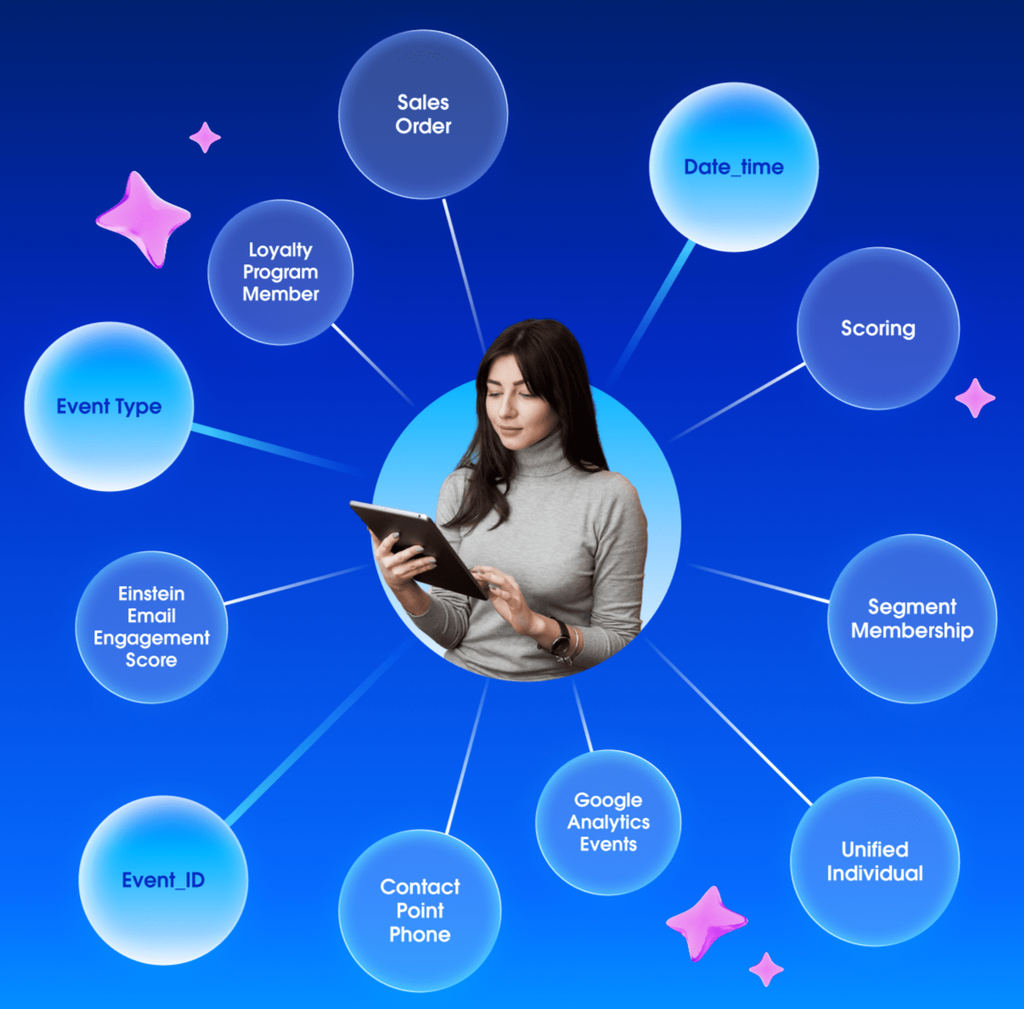
Teams that built on Data Cloud sometimes don’t realize the name changed until they hit a document or a vendor conversation that uses the new one. If your organization already invested in Data Cloud, that investment carries over. What changes is the name on the documentation and the training materials, and for public sector teams, the name referenced in a FedRAMP boundary or a system security plan might change too. That’s worth a phone call to confirm rather than an assumption.
Slackforce: Slack Becomes the Front Door
Slackforce is a newer idea. Salesforce is now positioning Slack as the main place employees interact with Salesforce data, instead of switching to a separate tab or app. Slackbot, the assistant inside Slack, can pull a report or a dashboard directly into a channel when someone describes what they need in plain language.
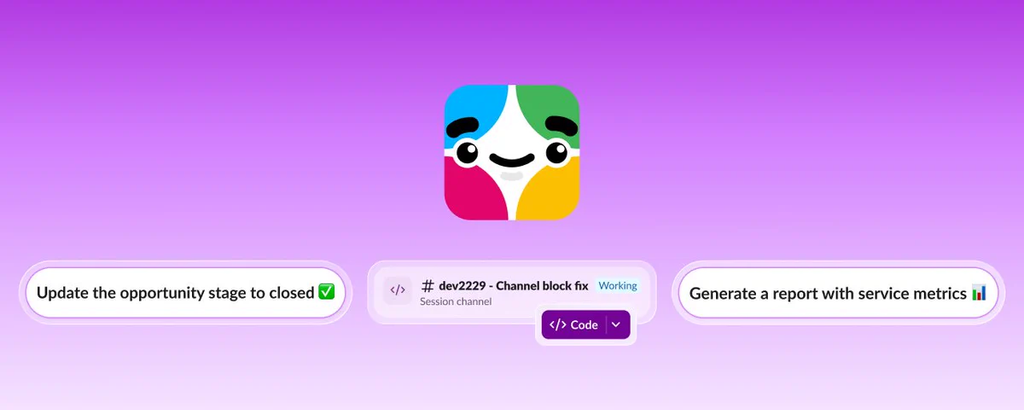
Salesforce calls the result a Slackforce Surface, which is just their term for a live view that stays connected to the underlying data instead of a static screenshot. For agencies already running GovSlack, this is worth watching, since it changes where daily work happens, not just what the software is called. Salesforce hasn’t announced when Slackforce will reach GovSlack, so agencies should confirm availability before planning around it.
Claudeforce: Claude Becomes the Default
Claudeforce is a different kind of announcement. It’s the name for a partnership between Salesforce and Anthropic, the company behind the Claude AI models. Two things are happening under that name. Claude is now the default model behind Agentforce, running through Amazon Bedrock and staying inside what Salesforce calls its Trust Boundary, so customer data stays inside the same security perimeter. Separately, Salesforce data becomes available as a plugin inside Claude itself.
For a regulated organization, the first half matters more than the second. Claude becoming the default changes what’s reasoning through your agents unless someone deliberately chooses otherwise, and that’s a decision worth a real security review, not a marketing detail to skim past.
Koa: Salesforce’s Own Answer to the Same Question
Koa is Salesforce’s first reasoning model of its own, built with NVIDIA by taking an existing open model and tuning it specifically for CRM work. It’s currently in pilot, with general availability targeted for this winter in U.S. regions. Claude remains the default model in several Salesforce products, and Koa is being added as another option, not a replacement.
Most organizations won’t need to pick one on day one. What’s worth understanding now is that Agentforce already offered more than one model. With Claude as the new default and Koa on the way, that choice is getting more consequential.
Agent Fabric, in Short
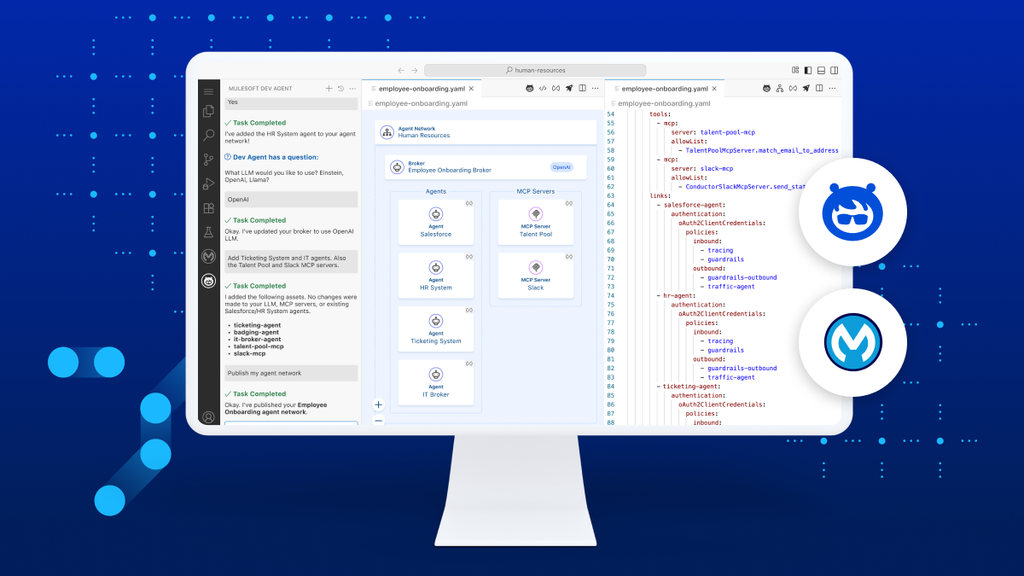
One more term deserves a short mention: Agent Fabric, Salesforce’s governance layer for managing AI agents from multiple vendors in one place. We wrote about Agent Fabric back in June, before most of this year’s announcements landed, and that piece still holds up if you want the fuller explanation of how it fits into MuleSoft and the rest of the platform.
Why the Name on the Page Still Matters
None of this means every rename triggers a new security review or a new contract line item. Most of it doesn’t. But regulated organizations, government contractors, and public sector agencies operate on paperwork that names specific products: system security plans, GSA Schedule listings, training materials, vendor risk assessments.
When Salesforce changes a name, someone on your team has to decide whether that paperwork needs to change too. Skipping that step is how an organization ends up with a security document that references a product name no one uses anymore, which stays a small problem until an auditor asks about it.
Let Us Translate This for Your Organization
This is the kind of question we field often at Vectr Solutions, working with SLED agencies, government contractors, and nonprofits running Salesforce inside Government Cloud. Earlier this year, we helped a state agency keep its data clean and its timeline intact through a rapid Salesforce expansion, and that kind of work depends on knowing which changes are real and which are just new packaging.
If your team is sorting out what this year’s round of renames means for your own Salesforce environment, that’s worth working through before your next budget cycle or security review, not after. Reach out to Vectr Solutions, and we’ll walk through what applies to your setup specifically.