
Salesforce Public Sector Cloud and Salesforce Government Cloud show up in the same RFPs, the same sales calls, and the same confused Slack messages between IT and procurement, but they’re not the same product, and they’re not even answering the same question.
One is about what your team clicks on every day. The other is about where that click physically lives.
At Vectr Solutions, we sit in these procurement conversations often, and this exact confusion tends to surface right before a budget gets committed to the wrong tier.
Agencies either overspend on federal-grade hosting they don’t need, or they discover mid-implementation that a compliance requirement they overlooked demands an entirely different environment than the one they already built on. Getting the distinction right up front saves months of rework later.
What Salesforce Public Sector Cloud Is
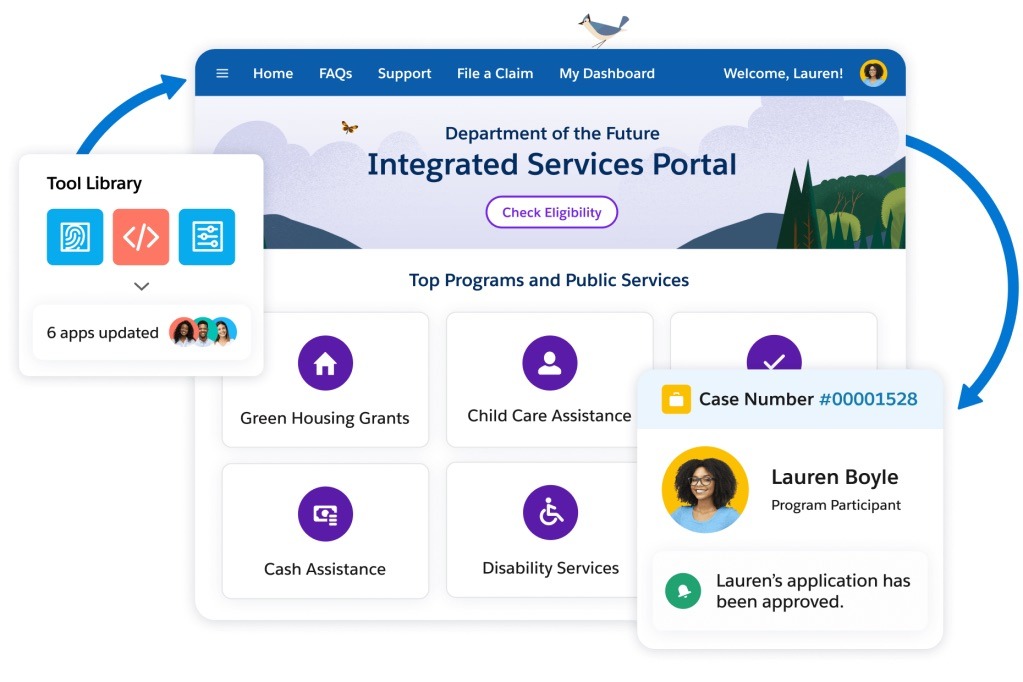
Salesforce Public Sector Cloud, more formally known as Public Sector Solutions, is the software layer built specifically for government workflows. Instead of starting from a generic CRM and building permitting or licensing logic from scratch, agencies get pre-built objects, case types, and business logic already shaped around how public administration actually works.
Source: https://www.salesforce.com/government/guided-tours/public-sector-solutions/
Core capabilities include tools for licensing and permitting, inspection scheduling, grant management, and social program administration. OmniStudio and the Business Rules Engine let administrators build guided intake forms and automate eligibility decisions without custom code.
We implemented Public Sector Solutions inside Government Cloud for BioMADE to digitize their grant and contract lifecycle, from proposal submission to executed contract, with a DocuSign integration. Members now have a single source of truth for proposal status.
State and local agencies are the most common adopters. City planning offices, public health divisions, and county permitting bureaus use it daily to manage back-office reviews and give residents digital self-service access.
In short, Public Sector Cloud is the forms, workflows, and case files that staff and constituents actually touch.
For a deeper walkthrough of what the platform can do, we’ve covered that in detail here.
Public Sector Cloud vs. Government Cloud: The Key Distinction
Public Sector Cloud and Government Cloud only get confusing if you compare them as competitors. They’re not. Public Sector Cloud is the application layer, the software your caseworkers open every morning. Government Cloud is the hosting environment underneath it,
| Public Sector Cloud (Public Sector Solutions) | Government Cloud | |
| What it is | Application software for case management, permitting, grants, and benefits | Hardened, compliance-focused hosting environment |
| Compliance tier | Inherits security from whatever infrastructure hosts it | FedRAMP High, DoD IL4/IL5 authorizations |
| Typical adopters | City, county, and state agencies | Federal agencies, DoD, aerospace and defense contractors |
| What it confirms | How work gets done: case tracking, forms, approvals | Where data lives and who’s allowed near it |
built to satisfy federal security standards like FedRAMP High and DoD Impact Levels.
Because these two operate at different layers of the stack, an agency doesn’t have to choose one over the other. Public Sector Solutions can run on standard commercial infrastructure, or it can run inside a Government Cloud instance when the compliance floor demands it, as it does for BioMADE.
For a full breakdown of how Government Cloud itself compares to standard commercial Salesforce, we’ve written a full comparison here.
Who Public Sector Cloud Is Built For
Public Sector Cloud fits organizations that need modern civic workflow automation without the hosting requirements of the federal defense tier. Most municipal and county processes, things like restaurant inspections, building permits, and business registrations, involve public records rather than controlled or sensitive federal data.
The priorities here are usability, transparency, and mobile access for field staff, all of which run fine on standard cloud infrastructure.
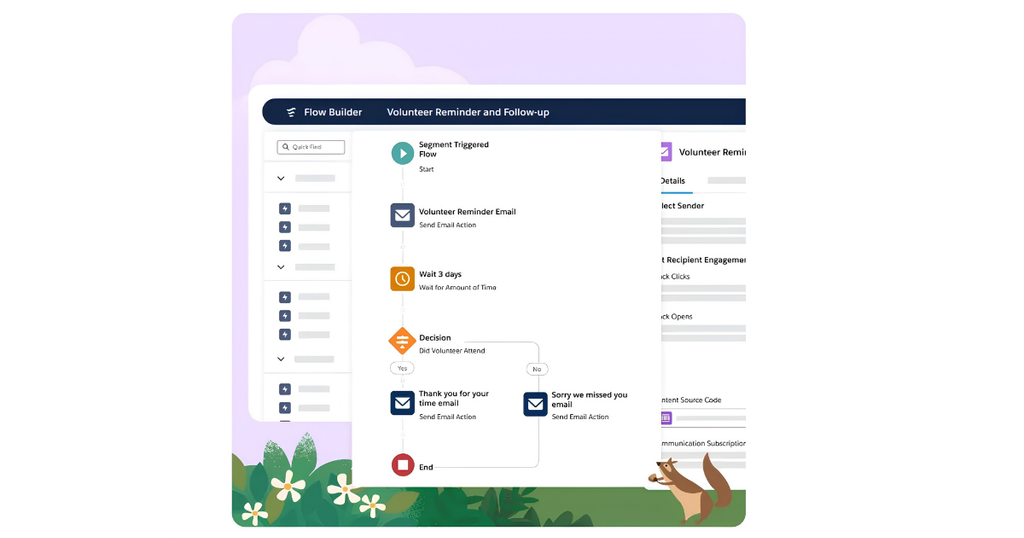
We saw this play out with the Keep Arkansas Beautiful Commission, a state agency that needed to move volunteer management out of spreadsheets and into one central hub, take event submissions from its website, track supplies, and automate event approval emails. None of that required GovCloud. It required the right Salesforce setup, configured well.
Source: https://www.salesforce.com/nonprofit/volunteer-management/
So, does your agency need Government Cloud? If your organization doesn’t handle defense information, export-controlled documentation, or sensitive federal databases, deploying Public Sector Solutions on commercial infrastructure is usually the more cost-effective, practical path forward.
When to Choose Government Cloud Instead
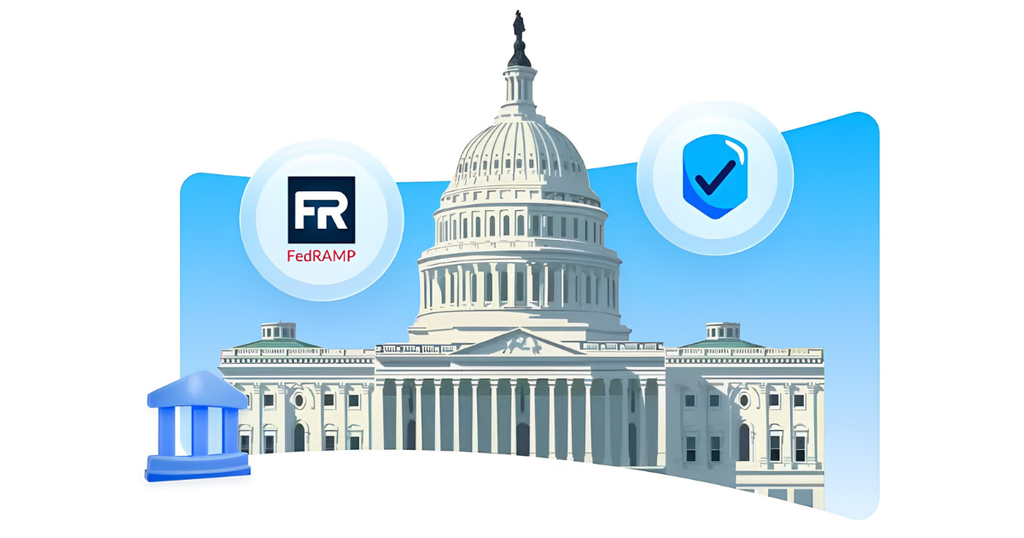
Government Cloud becomes non-negotiable once your data governance policies or contracts require federal compliance authorization. Organizations handling Controlled Unclassified Information (CUI), Federal Contract Information (FCI), or export-controlled data under ITAR typically need a federally authorized environment rather than a standard commercial tier.
Source: https://www.salesforce.com/government/cloud/
Federal civilian agencies, DoD entities, and aerospace contractors typically need infrastructure authorized at FedRAMP High or DoD Impact Level 4 or 5, which points toward Government Cloud Plus or Government Cloud Plus Defense.
State and municipal programs should weigh the same question when administering federal grant systems or managing law enforcement and health databases tied to federal data-sharing agreements.
Skipping this evaluation can put an agency’s data, contracts, and public trust at risk.
How Vectr Solutions Helps You Choose the Right Salesforce Environment
At Vectr Solutions, we apply an advisory-first approach, which means we don’t default to recommending the most expensive hosting tier just because it sounds the safest. Instead, we map your actual statutory obligations, data sensitivity, and contract flow-down requirements to the platform capabilities that fit.
From there, our implementation team configures Public Sector Solutions components (OmniStudio, Experience Cloud portals, automated workflow logic) and integrates them with your legacy data sources. When a compliance floor requires Government Cloud, we build for FedRAMP and DoD Impact Level requirements from day one, so your environment stays audit-ready instead of turning into a retrofit project six months later.
Not Sure Which Salesforce Cloud Fits Your Agency?
Public Sector Cloud and Government Cloud serve different compliance needs, and picking the wrong one can mean costly rework later. Let us help you evaluate which environment actually fits your agency’s requirements.